Retrofitting old windows for better thermal insulation: Films vs. replacement in 2024: what's changed and what works
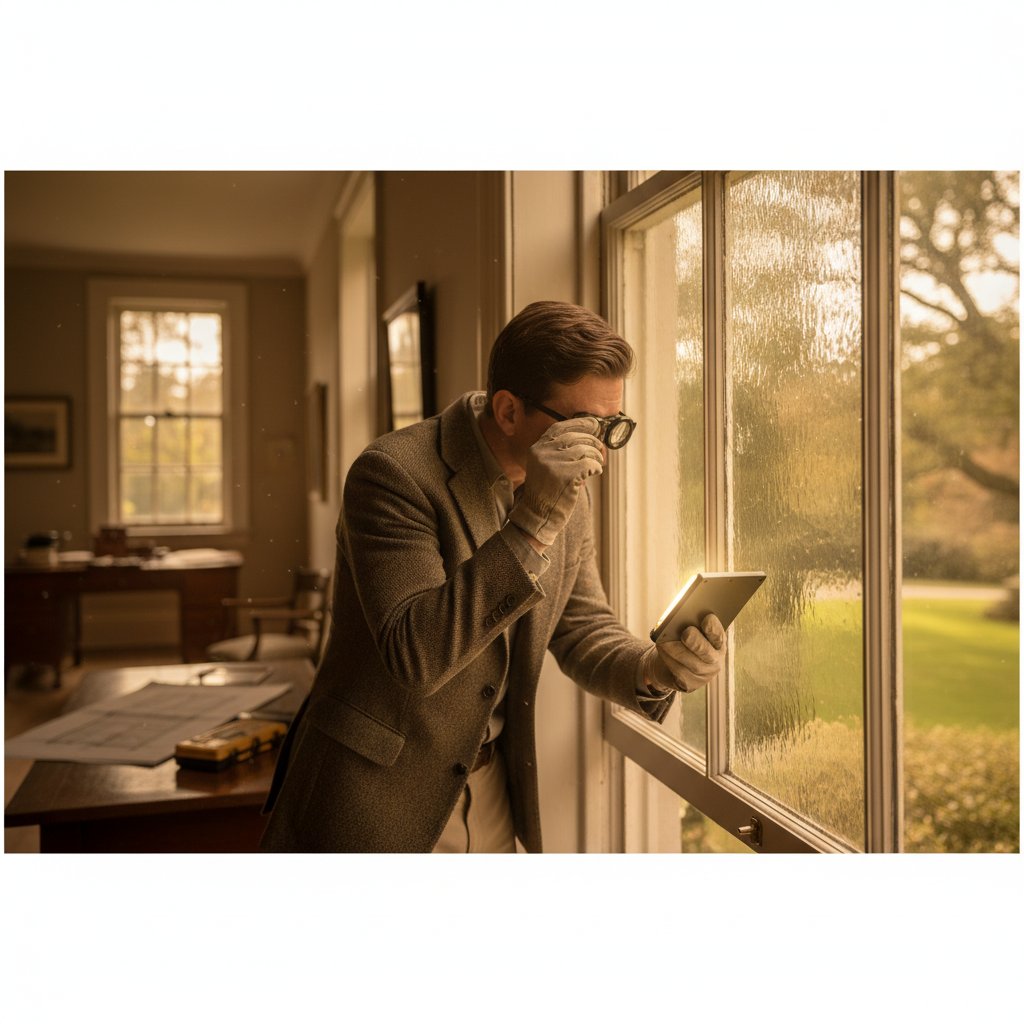
Your drafty old windows are bleeding money, and you know it. Every winter, you watch your heating bills climb while cold air seeps through those charming but inefficient panes. The big question: do you slap on some fancy films or bite the bullet and replace everything? The answer in 2024 might surprise you, because the technology—and the math—has shifted considerably.
Let's break down what actually works now, backed by real numbers and honest assessments.
The State of Window Insulation in 2024: What's Actually Changed
1. Low-E Films Have Finally Grown Up
Remember when window films were basically tinted plastic that made your house look like a sketchy surveillance van? Those days are gone. Modern low-emissivity films now block up to 70% of heat transfer while remaining virtually invisible. The ceramic nanoparticle technology that was experimental five years ago is now standard in premium products from 3M and Gila.
Here's what matters: a quality low-E film installation on a single-pane window can improve its R-value from roughly 0.9 to about 2.0. That's still nowhere near a new double-pane window (R-3 to R-4), but it's a legitimate 50% improvement for around $8-15 per square foot installed. The ROI timeline sits around 7-10 years in most climates, assuming you're not dealing with rotted frames or broken seals.
The catch? Films work best on structurally sound windows. If your frames are warped or the glass itself is compromised, you're putting a band-aid on a bullet wound.
2. Replacement Windows Got Cheaper (Sort Of)
The pandemic supply chain chaos of 2021-2022 sent window replacement costs through the roof—sometimes hitting $1,200 per window installed. But 2024 has brought some relief. Competition from newer manufacturers and stabilized material costs have pushed average double-pane vinyl window installations back down to the $450-750 range per window.
Triple-pane windows, which were luxury items just a few years ago, now start around $600-900 installed for standard sizes. These deliver R-values of 5 to 7, and in cold climates, they'll pay for themselves in 12-15 years through energy savings alone. That math gets even better when you factor in the increased home value—recent appraisals show quality window replacements returning 70-80% of their cost at resale.
3. The Hybrid Approach Nobody Talks About
Here's where it gets interesting: you don't have to choose just one strategy. Savvy homeowners are now replacing their worst-performing windows (usually north-facing and largest panes) while applying films to secondary spaces like guest rooms or bathrooms.
This targeted approach can cut your project cost by 40-60% compared to full replacement while still capturing most of the energy savings. A typical 10-window home might replace 4-5 critical windows and film the rest, bringing total costs down from $8,000 to around $4,500. The energy performance hits about 75% of what full replacement would achieve, but the payback period drops to 6-8 years.
4. Smart Films Are Actually Becoming Real
Electrochromic films that tint on demand used to cost $100+ per square foot. Now? Some products from companies like Gauzy and Switch Glass are approaching the $40-50 range. Still expensive, yes, but we've crossed into "worth considering" territory for sun-facing windows.
These films can reduce cooling costs by 20-30% in hot climates by blocking solar heat during peak hours while staying clear during winter. The technology works through a smartphone app or can integrate with your home automation system. Early adopters are reporting 15-year payback periods in places like Arizona and Texas, where cooling costs dominate energy bills.
5. Historic Home Owners Have New Options
If you own a pre-1940s home with original wavy glass or custom sizes, replacement has always been painful—both emotionally and financially. Custom historical reproductions can hit $2,000+ per window. But interior storm window inserts have evolved dramatically.
Modern acrylic or glass inserts from companies like Indow create an insulating air gap without touching your original windows. They're removable, maintenance-free, and can improve R-values from 1 to 3 for about $30-40 per square foot. You keep the architectural integrity while achieving 60-70% of what new windows would deliver thermally. For historic preservationists, this is the sweet spot.
6. The Installation Quality Gap Is Wider Than Ever
A perfectly mediocre window installed correctly will outperform a premium window installed poorly. Air leakage around frames accounts for 25-35% of total window heat loss, and 2024 building science has proven this matters more than most homeowners realize.
Whether you're filming or replacing, insist on proper air sealing with low-expansion foam and quality flashing tape. A $600 window with $100 worth of proper sealing beats a $900 window with sloppy gaps every single time. Ask your installer about their air sealing protocol specifically—if they look confused, find someone else.
So What Actually Makes Sense?
Films make sense if your windows are structurally sound, you're planning to move within 10 years, or you're working with a tight budget. They're also perfect for renters who want to reduce bills without permanent modifications.
Full replacement wins if your frames are damaged, you're staying long-term, or you live in extreme climates where every R-value point counts. The upfront pain pays off in comfort and resale value.
The hybrid approach? That's probably the smartest play for most people in 2024. Fix what's broken, film what's functional, and stop letting perfect be the enemy of warmer.